
An independent second opinion before you sell.
Inherited a closet of card binders, coin folders or comic boxes? We review the whole collection at once, flag the few items worth a closer look, and show you what similar items actually sold for. We never buy items, so you can decide what to keep, grade or sell before anyone makes you an offer.
Not sure it's worth it? Anyone can try a free Quick Triage, inherited or your own collection: send up to 5 photos and we'll tell you whether it's worth a closer look. We reply within 1 business day with a quote, before you pay anything. Estimated market value reports, not appraisals. Serving Southern California, and everything starts with photos, so there's nothing to haul anywhere.
Got an old binder? Get a free scan.
Inherited it, or kept it since you were a kid, it doesn't matter. Send up to 5 photos and we'll give you a simple yes or no: is it worth a closer look?
- Pokémon cards
- Sports cards
- Coins
- Comics
Something else, like a painting? Send it anyway and we'll tell you whether it's worth a professional look.
What you get back: one of three answers. Green: worth a closer look. Yellow: maybe, we need a better photo or detail. Grey: probably not worth a paid look. Where we can confirm at least two recent sold sources, we add a dated price range with careful wording, like "may sell for roughly $X–$Y if condition holds".
Free, with no obligation. A quick independent check, not an appraisal. Curious about grading? Try our free grading calculator or browse card price guides.
Find the treasure before the estate sale.
Independent
We never buy items from clients, so our estimate is never the opening bid in a negotiation.
The whole collection
Cards, coins, comics and memorabilia reviewed together in one report, not one item at a time.
Shown, not told
Every estimated range comes with the recent comparable sales behind it.
A second opinion from someone with nothing to buy.
Too often, a shoebox of cards or a coin folder gets priced at a dollar on sale day, or tossed out entirely, because nobody had time to look closely. Families are busy grieving, executors are juggling paperwork, and estate-sale teams have a whole house to price in a week.
Heirloom Scout exists to take a careful second look. We combine AI-assisted sorting with a hands-on human review to separate the few items that matter from the bulk, and we show our work with real comparable sales, so you can decide what to do next with confidence.
We never buy items from our clients. You get a flat, upfront quote for the report, and our job is to give you a clear, honest picture of the whole collection.
— The Heirloom Scout team

From boxes to a clear plan
Send photos
Fill out a 5-minute form with photos of the boxes, binders and coin folders as they are. No sorting needed.
Get a quote
Within 1 business day we reply with a quote and a delivery date. You pay nothing until you say yes.
Receive your report
We review everything together and deliver an estimated market value report with comparable sales, condition notes and next steps: keep, grade, consign or sell. If you want to sell, we can invite vetted dealers to bid; you can always say no.
How an independent report compares
There's no single right way to handle an inherited collection. Here's how the common paths differ.
| Heirloom Scout report | A dealer's buying offer | Doing it yourself | |
|---|---|---|---|
| Who values it | A reviewer who never buys the items | The person who would buy the items | You |
| What gets reviewed | Cards, coins, comics and memorabilia, in one report | Often what that dealer specializes in | Whatever you have time to research |
| Price evidence | Recent comparable sales shown for each estimated range | Varies; an offer may not show comparables | Your own searches of sold listings |
| Cost | Flat price, quoted before you pay ($149 / $299) | Usually free to get an offer | Free, but it takes time |
| What happens next | You decide: keep, grade, consign, sell or invite dealer bids | Accept or decline that offer | You find buyers and handle the sale |
A dealer buying for resale needs room for a profit, so a buying offer is a different thing from an estimate of market value. Getting more than one opinion is common advice whichever path you choose.
The things that hide in closets and attics
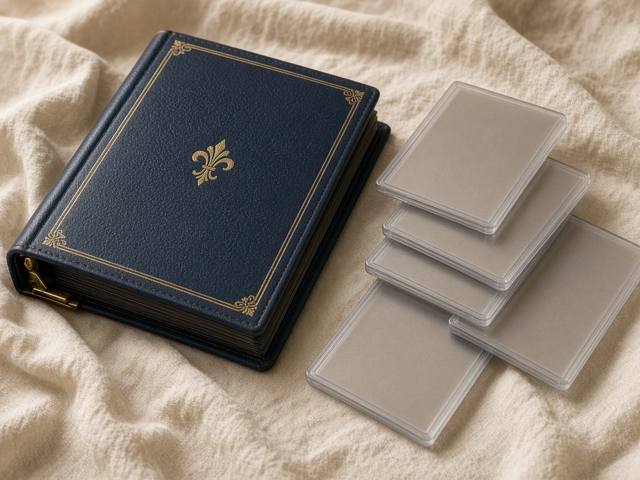
Trading cards
Baseball and other sports cards, Pokémon and other trading card games, sealed boxes and graded slabs.
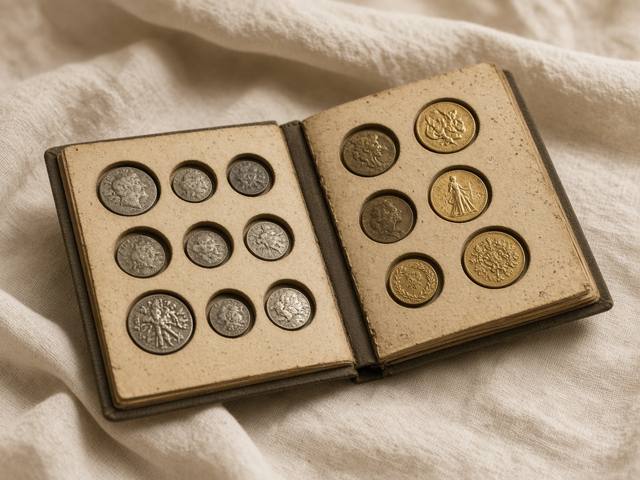
Coins
Coin folders, silver dollars, proof sets and jars of old change, including older silver coins with metal value of their own.
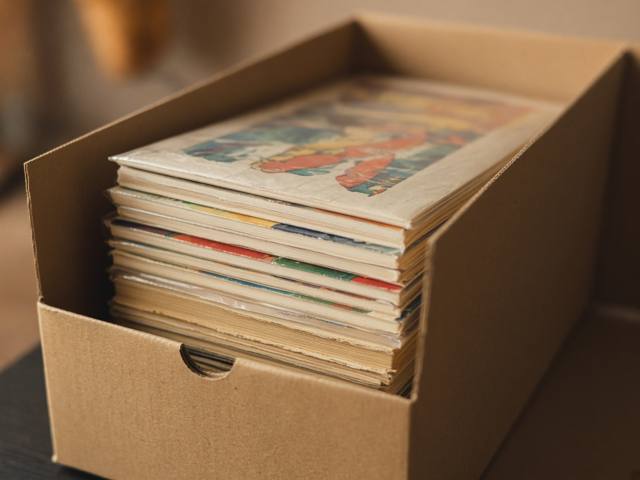
Comics
Long-boxes, key issues and older books in bags and boards.
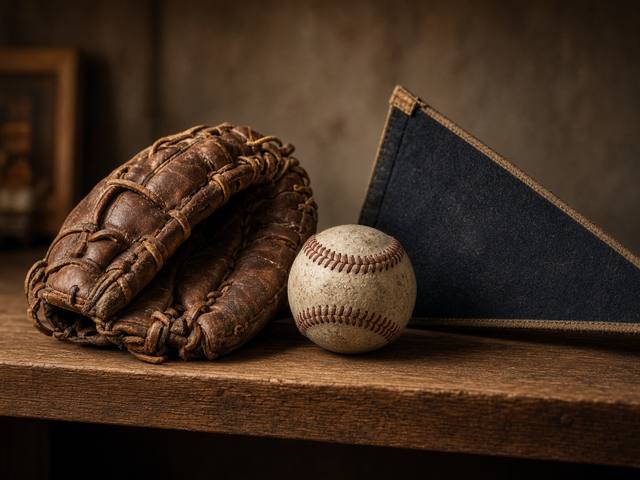
Memorabilia
Signed balls, pennants, programs and other sports keepsakes.
See exactly what you get
Each report summarizes what we reviewed, highlights the stand-out items, and shows the recent comparable sales behind every estimated range, along with condition notes and suggested next steps.
The preview shows an example only. All items, names and values are made up for illustration.
"Sample Family Estate" (fictional) · Report HS-EXAMPLE-001
| Category | Stand-outs | Est. range |
|---|---|---|
| Sports cards | 4 | $610 – $1,140 |
| Coins | 3 | $185 – $290 |
| Comics | 2 | $140 – $260 |
| Bulk (lot) | n/a | $60 – $120 |
| Total | $995 – $1,810 |
Comps sheet (example)
| Date | Source | Grade | Price |
|---|---|---|---|
| Oct 24 | eBay sold | PSA 8 | $410 |
| Oct 21 | Auction house sold | PSA 8 | $385 |
| Oct 19 | eBay sold | Raw | $95 |
Every report lists each sale used, with its date, source, grade, price and a link to the sold listing. Example rows, links omitted.
How each range is built: sold prices only, at least 2 independent dated sources per item, raw vs. graded shown, plus a confidence level (High/Medium/Low). How we price.
Example figures for illustration. An estimated market value report, not an appraisal.
Sold prices, shown with evidence
Every estimate follows the same rules:
- Sold prices only. We use completed sales, never asking prices.
- Graded vs. raw. For stand-out items we show the ungraded range next to prices at relevant grades (PSA, BGS, CGC and SGC for cards; PCGS and NGC for coins; CGC and CBCS for comics), plus current grading fees and a rough sense of what grading might add.
- At least 2 independent, dated sources per item.
- Ranges with a confidence level (High, Medium or Low), never a single number. If the photos leave identification or condition unclear, we say so, and we never present a guessed grade as fact.
- Not an appraisal. Every estimate is an estimate, not a formal appraisal. For paintings and other items, we only tell you whether it's worth a professional look.
Public sources we check, by category
- Cards: eBay sold listings, 130point, PriceCharting, the Collectr app, PSA's price guide and population report, and Card Ladder.
- Coins: PCGS CoinFacts and price guide, NGC's price guide, Heritage auction archives, and melt value from the current metal spot price.
- Comics: GoCollect, the CGC census and Heritage auction archives.
See it in practice: card price guides with raw vs. graded sold prices, and our free grading calculator.
These are independent public sources. We aren't affiliated with or endorsed by any of them.
Inherited a collection? Start here.
Simple, upfront pricing
We're in an early pilot, so these introductory prices may change.
Quick Triage
Open to everyone, inherited or your own collection. Send up to 5 photos and we'll tell you yes or no: worth a closer look? No obligation.
Request a Quick TriageEstate Report: Essentials
Up to about 5 boxes or binders. Top items valued with recent sold comparables.
Start intakeEstate Report: Complete
Larger collections. A full item-by-item report on stand-out items, plus a dealer-bid round on request.
Start intakeEstate-sale company pilot
Reports for the estates you run, with a branded PDF for your clients. Our first 2–3 partners get free pilot jobs; if you're happy, we'd ask for an honest testimonial. First month free for pilot partners.
Join the pilotQuestions, answered
Is this an appraisal?
No. Heirloom Scout reports are estimated market value reports, not appraisals. They are based on recent public sales of comparable items and photo-based condition review. They aren't prepared under USPAP and aren't a substitute for a qualified appraiser when one is needed for tax filings, insurance, court or IRS purposes. Actual sale prices can be higher or lower.
Do you buy items?
No. Heirloom Scout never buys items from clients. That keeps our estimates independent. If you'd like to sell, we can invite vetted dealers to bid, and you decide whether to accept.
Why pay when some places will value items for free?
A free valuation often comes from someone who hopes to buy or sell the items for you. Our report comes from a reviewer who never buys, covers the whole collection at once, and shows the comparable sales behind each estimate, so you can weigh any offer against the evidence.
How long does it take?
We reply to every intake within 1 business day with a quote and a delivery date. Timing depends on the size of the collection and the photos.
What happens to my photos and information?
We use your photos and details only to prepare your report. We don't sell or share your information, and we don't publish your items or your family's details.
Do I need to sort anything first?
No. Photograph the boxes, binders and folders as they are. Sorting is our job.
What is the free Quick Triage?
Anyone can use it, whether you inherited the items or they're your own childhood binder. Send up to 5 photos and we'll give you a yes or no on whether they're worth a closer look. For items outside cards, coins and comics, like a painting, we'll tell you whether it's worth a professional look. It's free, with no obligation. It's a quick look, not a valuation or appraisal.
Do I need to have inherited the items?
No. The free scan is open to everyone, including collections you've kept yourself.
When do I pay?
The intake form takes about 5 minutes. We'll reply with a quote before you pay anything.
Get a second opinion before the sale.
Send a few photos and we'll tell you whether there's anything worth a closer look.
Start a free intake